
Our Blog
Professional information for a healthier family.
Why Head Lice Keep Returning: Common Mistakes
Parenting, Child Health, Head Lice
Why Do Head Lice Keep Coming Back? What Families Often Miss
If it feels like you’re fighting the same head lice battle over and over, you’re not alone. Many families clear an infestation—only to see the itching return a few weeks later. Understanding why lice keep coming back and the small details parents often miss can finally break the cycle for good.
Why Do Head Lice Keep Coming Back?
The biggest reason lice seem to “come back” is that they were never fully gone in the first place. Head lice have a simple but stubborn life cycle: eggs (nits), nymphs, and adults. Many treatments kill live bugs but leave some eggs behind. Those surviving nits hatch days later, and the infestation appears to start all over again.
Another common issue is resistance to over-the-counter products. In many communities, lice have become less sensitive to traditional pesticide-based shampoos. Parents follow the directions, assume the lice are gone, and then are shocked when they see new live bugs a week or two later. It’s not that the lice are “invading” again—often, the same colony simply survived the first round of treatment.
Reinfection from close contacts also plays a major role. Children are in constant close head-to-head contact—during play, sports, selfies, and sleepovers. If even one friend, sibling, or classmate still has lice, your child can be re-exposed quickly, even after you’ve done everything right at home.
📌 Key Takeaway: Lice rarely “appear out of nowhere.” Persistent cases usually mean incomplete treatment, resistant lice, or ongoing exposure from someone nearby.
What Families Often Miss During Treatment
Even the most diligent parents can overlook small but crucial steps. These are the details that often let lice hang on—and return.
1. Not Removing Every Single Nit
Many families rely solely on a shampoo and skip the slow, tedious nit-combing. But any egg left on the hair shaft is a future louse. Nits are tiny, oval, and glued to the hair, usually close to the scalp. They don’t wash out easily. Without careful, section-by-section combing with a quality metal nit comb, it’s easy to miss enough eggs to restart the infestation.
2. Skipping the Follow-Up Check (and Second Treatment)
Most treatment plans aren’t one-and-done. Because eggs can hatch after the first application, many products recommend a second treatment 7–10 days later. Families are understandably eager to move on and often forget this step. Without it, newly hatched lice can mature, lay more eggs, and rebuild the infestation before anyone notices.
3. Treating Only One Child Instead of the Whole Household
If one child has lice, siblings and close caregivers should at least be checked carefully, even if they’re not itchy yet. Lice can be present for weeks before itching starts. When only the obviously affected child is treated, another family member may quietly carry lice—and pass them right back during cuddles, shared pillows, or story time on the couch.
4. Over- or Under-Focusing on the Environment
Families often swing to extremes: either they disinfect the entire house from top to bottom, or they ignore the environment completely. In reality, lice live on the head, not in the home. They survive only about a day off the scalp. However, a few simple steps do matter: washing pillowcases, hats, hair accessories, and recently worn clothing in hot water, and setting aside non-washable items (like stuffed animals) in a sealed bag for a couple of days. Missing these basics can allow a stray louse to climb back on a head, while over-cleaning adds stress without extra benefit.
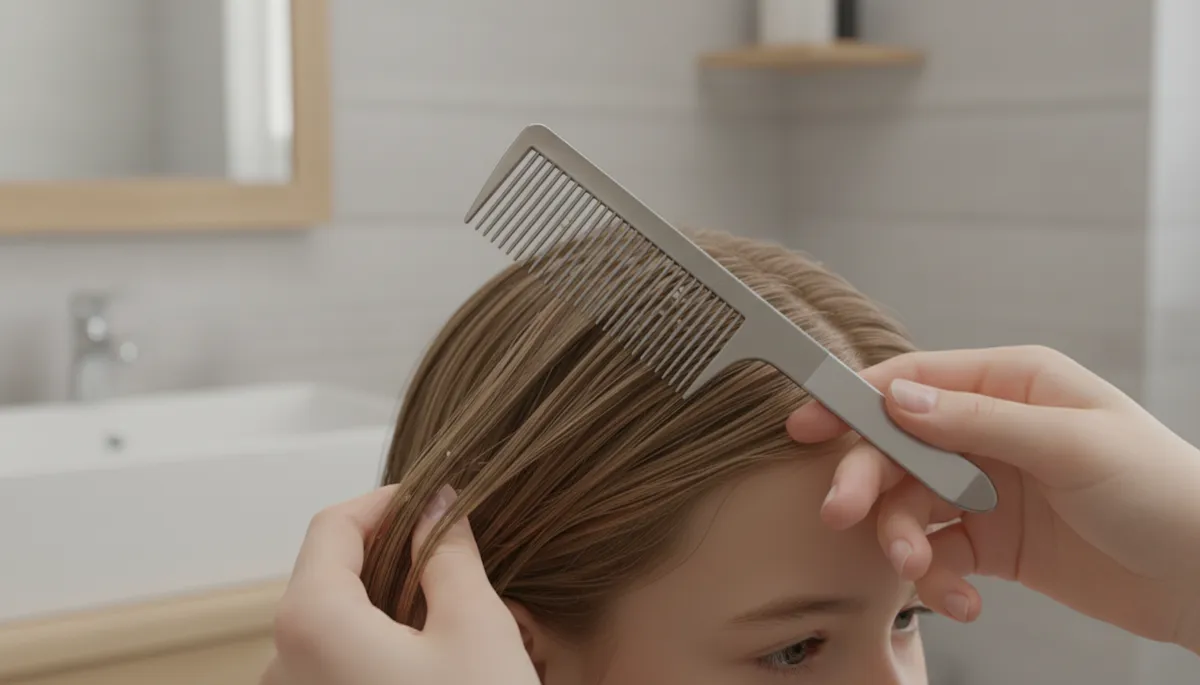
Consistent, careful nit-combing is often the missing step that stops lice for good.
5. Not Coordinating with School, Friends, and Caregivers
Lice are a community issue, not just a household one. If your child keeps getting lice, there’s a good chance someone in their regular circle still has an untreated or partially treated case. Many families feel embarrassed and avoid telling schools or other parents, but quiet coordination is essential. Discreetly alerting teachers, daycare providers, and close friends’ parents helps everyone check and treat at the same time—cutting off the cycle of re-exposure.
💡 Pro Tip: Schedule quick weekly head checks for a few weeks after treatment—good lighting, a fine-toothed comb, and five minutes can catch a problem before it explodes again.
Breaking the Cycle: A More Realistic Approach
Head lice are frustrating, but they’re also manageable with a clear plan. Combining an effective treatment, thorough nit-combing, follow-up checks, and communication with your child’s circle dramatically reduces the chance of lice “coming back.” Most importantly, remember that lice are not a sign of poor hygiene or bad parenting. They are simply a common childhood nuisance that requires patience, consistency, and a bit of teamwork to defeat.
When families understand what lice need to survive—and the small steps that truly matter—those repeat infestations finally stop feeling inevitable, and everyone can get back to normal life a little less itchy and a lot more informed.