
Our Blog
Professional information for a healthier family.
Head Lice Facts: Essential Family Guide
Health, Head Lice Facts
Head Lice Facts: What Every Family Should Know
Head lice are common, frustrating, and often surrounded by myths. Understanding how they live, spread, and can be treated makes them far less scary.
What Are Head Lice and How Do They Live?
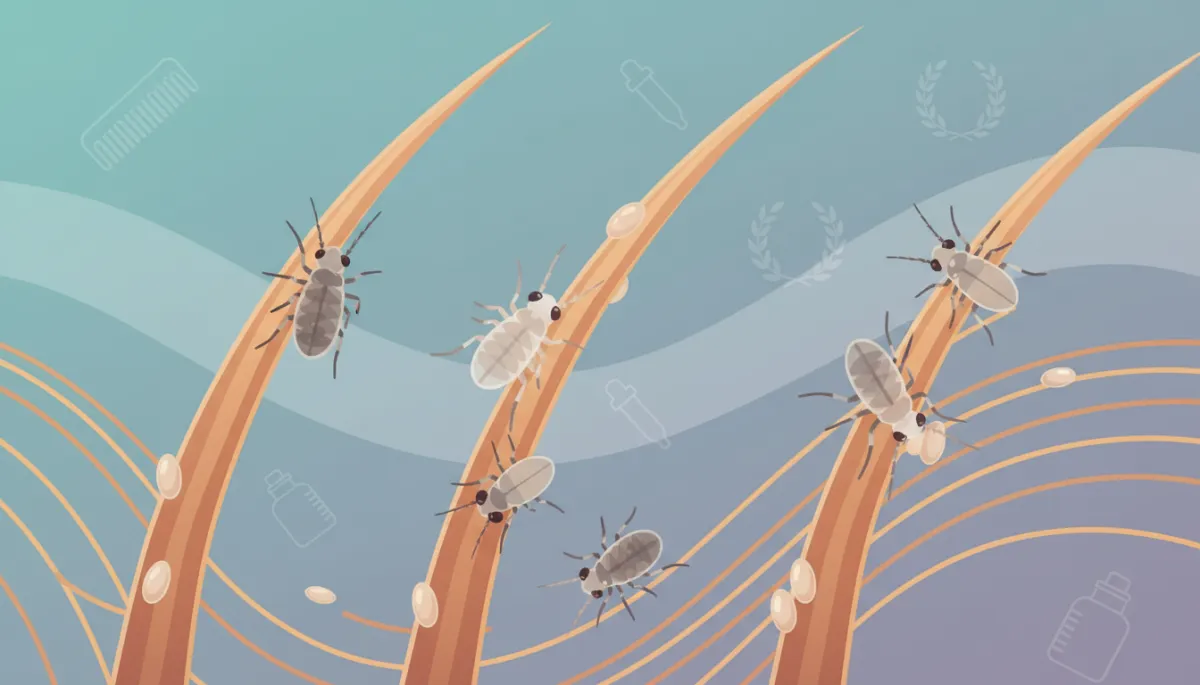
Head lice are tiny insects that live on the scalp and feed on small amounts of blood. The Lice Life Cycle includes three stages: egg (nit), nymph, and adult. Eggs hatch in about a week, and lice mature within another 7–10 days, which is why repeat lice treatment is often needed.
Common Misconceptions and How Lice Spread
One of the biggest common misconceptions is that head lice are a sign of poor hygiene. In reality, they affect clean and unwashed hair alike. They spread mainly through direct head-to-head contact, not by jumping or flying, and rarely through shared items like hats or brushes.
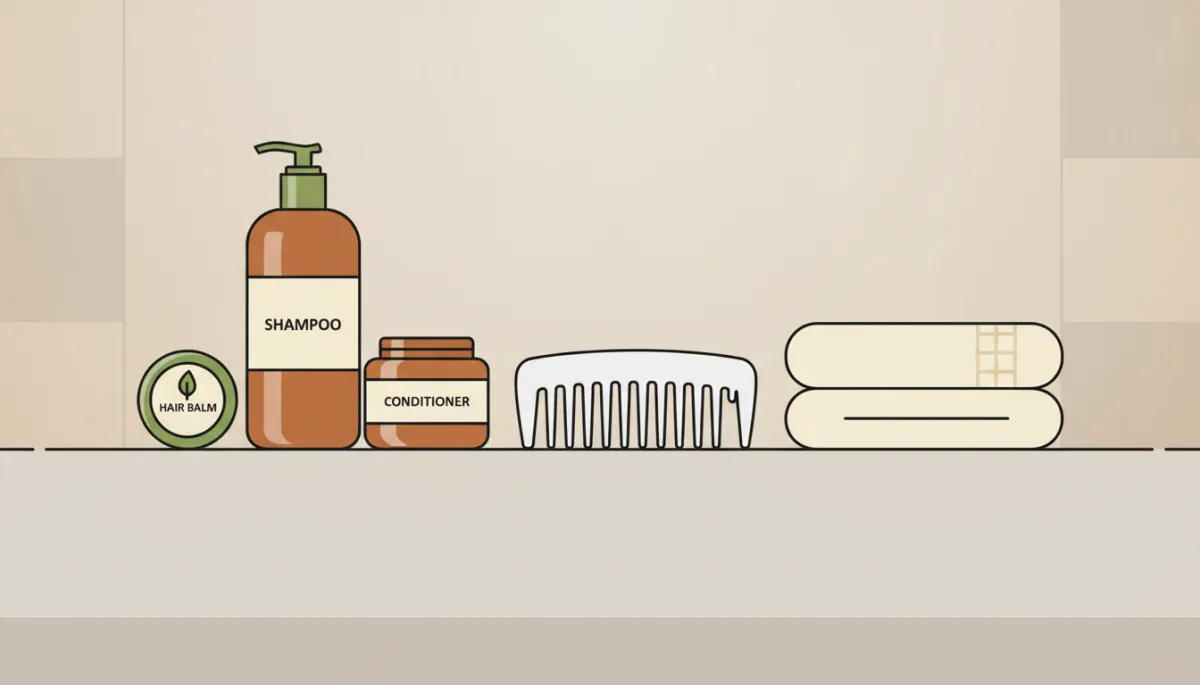
Regular combing and simple hygiene habits are key to effective lice control.
Lice Treatment, Prevention, and How to Check for Lice
Effective lice treatment usually combines a medicated product with thorough wet-combing using a fine-toothed lice comb. For lice prevention, teach children to avoid head-to-head contact and sharing hair accessories. To know how to check for lice, work in sections on damp hair, using bright light and a comb from scalp to ends, wiping it on a white tissue to spot any lice or nits. Regular checks help catch an infestation early and keep families lice-free.